
Golden dome in the Arab Hall, Leighton House

The staircase hall, Leighton House

The Drawing Room, Sambourne House

The Silk Room, Leighton House

Stained glass window, Sambourne House
Welcome to Leighton House and Sambourne House
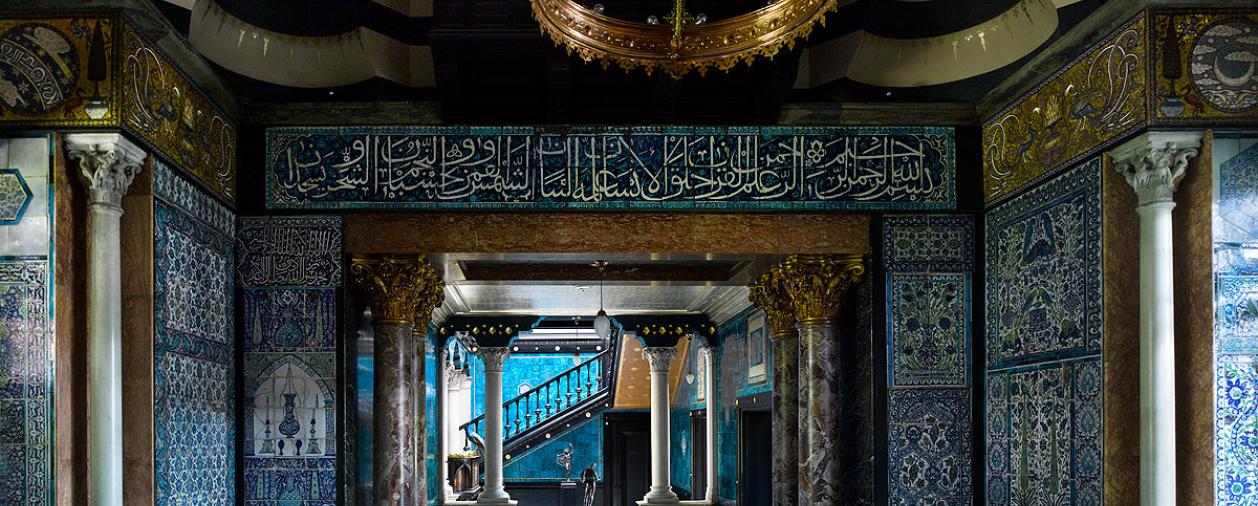
Arab Hall and Narcissus Hall, Leighton House.
Explore Victorian Artists at Home
Exhibitions
What's on
Explore more Carousel containing 5 cardsPractise your drawing in Leighton's grand studio.
A new season of outstanding music in Leighton's studio.
Celebrating the return of In My Studio to Leighton House.
Learn about textile techniques and create your own brooch.
Buy tickets
Advance tickets now availableGetting here
Welcome to Leighton House and Sambourne House
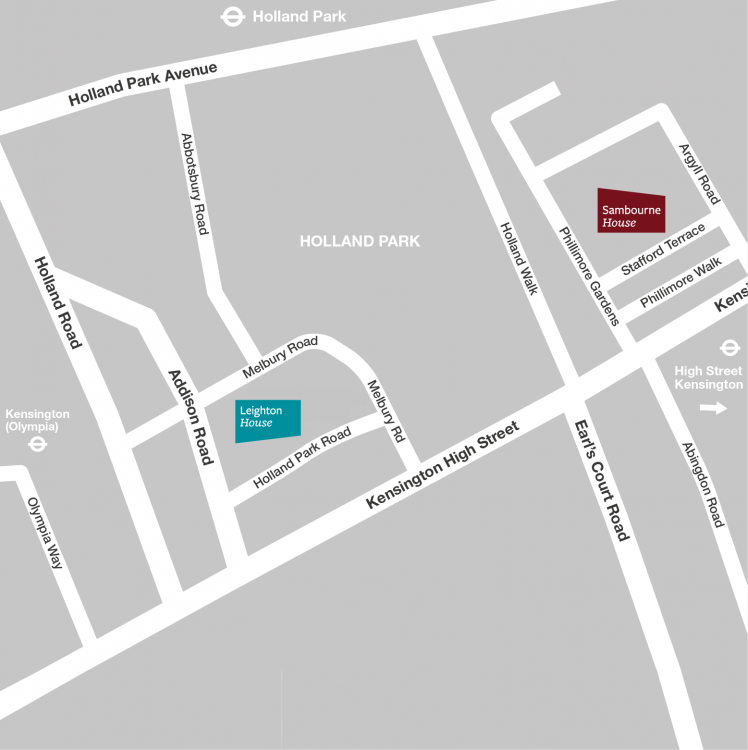
Leighton House: 12 Holland Park Road, London W14 8LZ
Sambourne House: 18 Stafford Terrace, London W8 7BH
Nearest tube stations: Kensington (Olympia), High Street Kensington
Buses: 9, 23, 27, 28, 49, 328, C1
What's New
Learn with us
Find out moreVenue Hire
Book your special event with usJoin The Friends
Discover the exciting benefits of our membership programme, The Friends, and help support our work