
Golden dome in the Arab Hall, Leighton House

The staircase hall, Leighton House

The Drawing Room, Sambourne House

The Silk Room, Leighton House

Stained glass window, Sambourne House
Welcome to Leighton House and Sambourne House
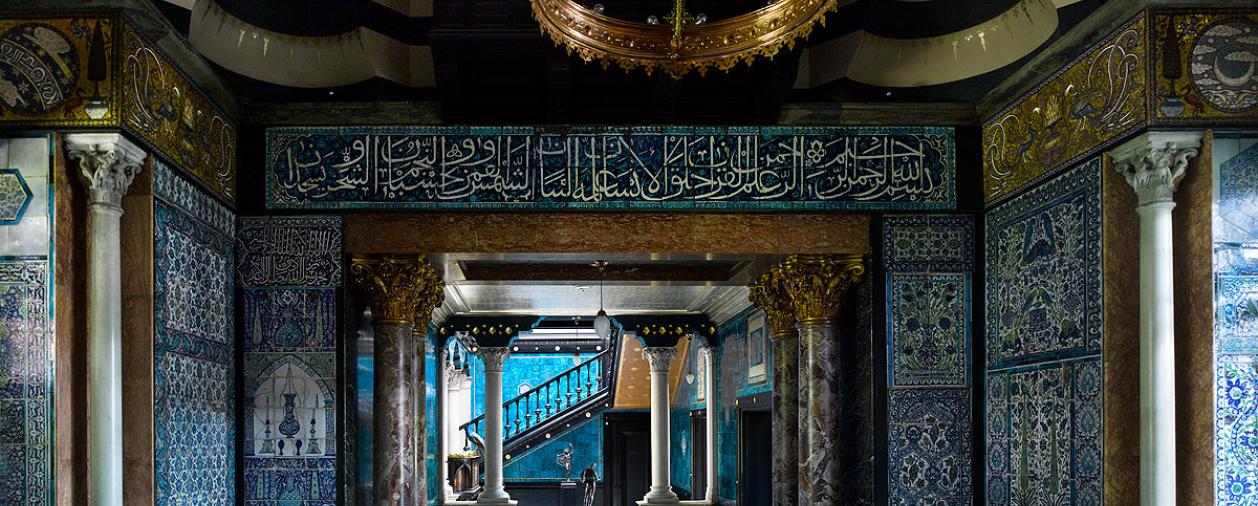
Arab Hall and Narcissus Hall, Leighton House.
Explore Victorian Artists at Home
100 Years of Leighton House: Exhibitions
Explore the full programmeWhat's on
Explore more Carousel containing 6 cardsArt, history and architecture explored through a curator-led tour.
For one week only, see Leighton House...in miniature!
Workshop with mosaic animals in L
Sew the perfect embroidered hoop to take home and treasure.
Celebrating International Day of Persons with Disabilities
Practise your life drawing in Leighton's artist studio.
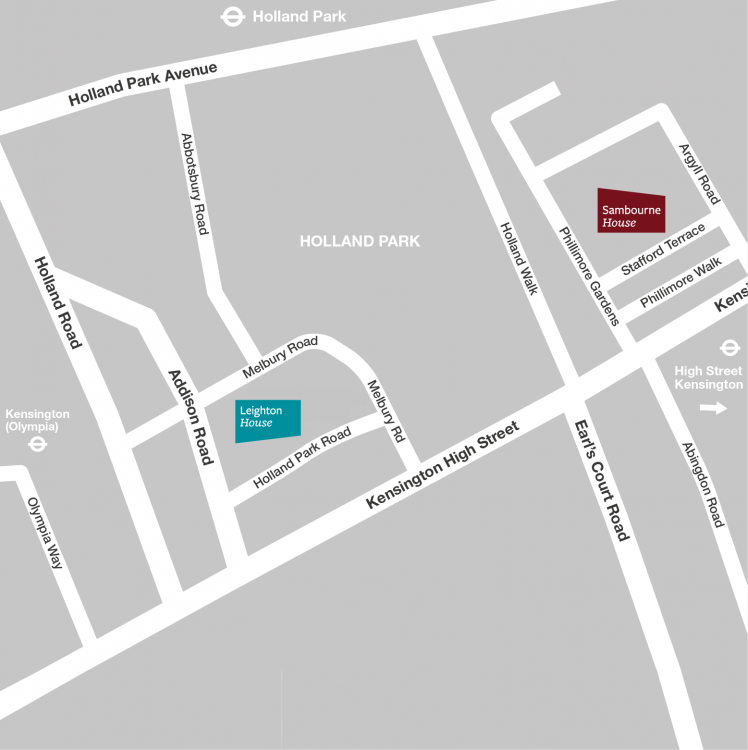
Getting here
Welcome to Leighton House and Sambourne House
Leighton House: 12 Holland Park Road, London W14 8LZ
Open Wednesdays to Mondays, 10am to 5:30pm (last entry 4:30pm)
Sambourne House: 18 Stafford Terrace, London W8 7BH
Open Wednesdays to Sundays, 10am to 5:30pm (last entry 4:30pm)
Nearest tube stations: Kensington (Olympia), High Street Kensington
What's New
Learn with us
Find out moreVenue Hire
Book your special event with usJoin The Friends
Discover the exciting benefits of our membership programme, The Friends, and help support our work